
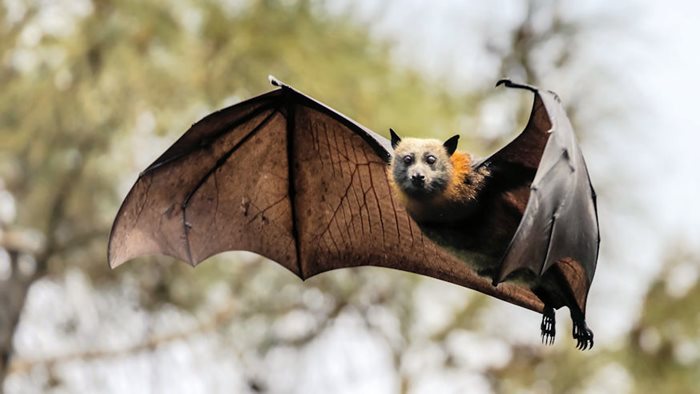
The flying bat is one of the most unique animals in the world. It can fly, but it is not a bird. It is a mammal. This makes it very special in nature. Many people feel afraid when they see a flying bat, but most of that fear comes from myths and wrong ideas. In reality, the flying bat helps the environment in many powerful ways. It controls insects, spreads seeds, and keeps forests healthy. Without the flying bat, many natural systems would become unbalanced.
The flying bat lives in many parts of the world. It can survive in forests, caves, mountains, and even cities. It is active mostly at night, so people do not see it often. Because of this hidden lifestyle, many people misunderstand the flying bat. But once you learn about it, you will see it is a helpful and important animal that supports life on Earth in many ways.
In this article, you will learn everything about the flying bat. We will talk about its types, how it flies, what it eats, where it lives, and why it is important. You will also learn some fun facts and common myths. So let’s explore the world of the flying bat in a simple and easy way.
What is a Flying Bat?
The flying bat is a mammal that has wings made of thin skin stretched between its long fingers. This design helps it fly smoothly in the night sky. Unlike birds, the flying bat does not have feathers. Instead, its wings are soft and flexible. This allows it to turn quickly in the air and catch food with great speed.
A flying bat is warm-blooded, just like humans. It gives birth to babies instead of laying eggs. The mother bat takes care of her baby for a long time. This makes the flying bat very different from insects or birds. Even though it flies like a bird, it is actually more closely related to humans than to birds.
The flying bat is also known for its nighttime behavior. It sleeps during the day in dark places like caves, tree holes, or buildings. At night, it comes out to search for food. This helps the flying bat stay safe from predators. Because of this habit, many people rarely see a flying bat in daylight.
Types of Flying Bat
There are many types of flying bat species around the world. Each type has different food habits and lifestyles. Some eat fruit, some eat insects, and some even eat fish. This variety makes the flying bat family very large and interesting.
Fruit bats are one of the most common types of flying bat. They eat mangoes, bananas, and other sweet fruits. They help plants grow because they spread seeds through their droppings. Insect-eating bats are another type. They eat mosquitoes, beetles, and other small bugs. This helps control insect populations naturally.
Here are some common types of flying bat:
- Fruit-eating flying bat
- Insect-eating flying bat
- Nectar-feeding flying bat
- Fish-catching flying bat
- Blood-feeding vampire flying bat
Each flying bat type plays an important role in nature. Together, they help maintain balance in the ecosystem. Without them, insects would increase, and many plants would stop growing properly
How Flying Bat Uses Echolocation
The flying bat has a special ability called echolocation. This helps it “see” in the dark. It sends out sound waves from its mouth or nose. When the sound hits an object, it comes back as an echo. The flying bat listens to this echo to understand its surroundings.
This skill is very important for the flying bat. It helps it avoid obstacles like trees, walls, and rocks while flying at night. It also helps the bat catch small insects in the air. Even in complete darkness, the flying bat can move quickly and safely.
Echolocation makes the flying bat one of the best night hunters in nature. It can detect objects in milliseconds. This ability is so accurate that the flying bat can even catch a flying mosquito in the dark without seeing it. This shows how powerful the senses of a flying bat are.
Where Flying Bat Lives
The flying bat can live in many places around the world. It prefers dark and quiet areas where it can rest safely during the day. Caves are one of the most common homes for a flying bat. Large groups of bats often hang upside down from cave ceilings.
Some flying bat species live in trees. They use hollow trunks or dense leaves for shelter. In cities, some bats live in old buildings or bridges. They adapt very well to different environments. This flexibility helps the flying bat survive in many regions.
Warm climates are better for most flying bat species. However, some bats also live in cooler areas. They migrate or hibernate when the weather changes. This helps the flying bat survive during tough seasons when food is low.
What Flying Bat Eats
The diet of a flying bat depends on its type. Some bats love fruits, while others eat insects or nectar. This variety makes the flying bat very important for nature. Each type helps the environment in its own way.
Fruit-eating bats help spread seeds. When they eat fruit, they drop seeds in different places. This helps new plants grow. Insect-eating bats eat large amounts of insects every night. A single flying bat can eat thousands of bugs in one night.
Some tropical flying bat species also drink nectar from flowers. While doing this, they help pollinate plants. This means they help flowers grow into fruits. So, the flying bat is not just a flyer. It is also a natural gardener of the environment.
Life Cycle of Flying Bat
The life cycle of a flying bat starts with birth. A mother bat usually gives birth to one baby at a time. The baby clings to its mother for safety. It drinks milk and grows slowly. The flying bat mother is very protective and caring.
As the baby grows, it learns to fly. This is an important stage in the life of a flying bat. The mother teaches it how to use echolocation and find food. After some time, the young bat becomes independent and joins the colony.
A flying bat can live for many years compared to its size. Some bats even live more than 20 years. This long life helps them play an important role in the environment for a long time.
Importance of Flying Bat in Nature
The flying bat is very important for nature. It helps control insects, which protects crops and humans. Without the flying bat, insect populations would grow very fast and cause problems for farming.
The flying bat also helps forests grow. Fruit bats spread seeds over long distances. This helps new trees grow in different places. Nectar bats help flowers reproduce. Because of this, the flying bat supports biodiversity.
Another important role of the flying bat is balancing the food chain. It provides food for some predators and controls pests. This makes the flying bat a key part of the natural system.
Myths and Facts About Flying Bat
Many myths surround the flying bat. Some people think bats are dangerous or bring bad luck. But these ideas are not true. The flying bat is shy and avoids humans. It does not attack unless it feels threatened.
Another myth is that all flying bat species drink blood. This is false. Only a few vampire bats drink blood, and they usually feed on animals, not humans. Most bats eat fruit or insects and are harmless.
A fact about the flying bat is that it helps humans. It controls pests and supports farming. So instead of fear, we should respect and protect the flying bat.
Flying Bat Conservation and Protection
The flying bat faces threats like habitat loss and pollution. Trees are being cut down, and caves are being disturbed. This affects bat populations. Because of this, many species of flying bat are now at risk.
People can help protect the flying bat by saving forests and reducing pollution. Protecting caves and natural habitats also helps. Education is important too, so people understand the value of the flying bat.
If we protect the flying bat, we protect nature itself. This small animal plays a big role in keeping the planet healthy.
FAQs
1. Is a flying bat a bird?
No, the flying bat is not a bird. It is a mammal.
2. What does a flying bat eat?
A flying bat eats fruits, insects, nectar, or sometimes fish.
3. Is a flying bat dangerous?
Most flying bat species are harmless and avoid humans.
4. How does a flying bat fly at night?
It uses echolocation to move and find food in darkness.
5. Why is the flying bat important?
The flying bat helps control insects and grow plants.
Conclusion
The flying bat is a small but powerful animal in nature. It helps the environment in many ways. It controls insects, spreads seeds, and supports forests. Even though many people fear it, the truth is that the flying bat is friendly to nature and very important for balance in the ecosystem.
If we understand the flying bat better, we can protect it. And when we protect it, we also protect our environment. The flying bat deserves respect, care, and attention because it quietly helps the world every night.
